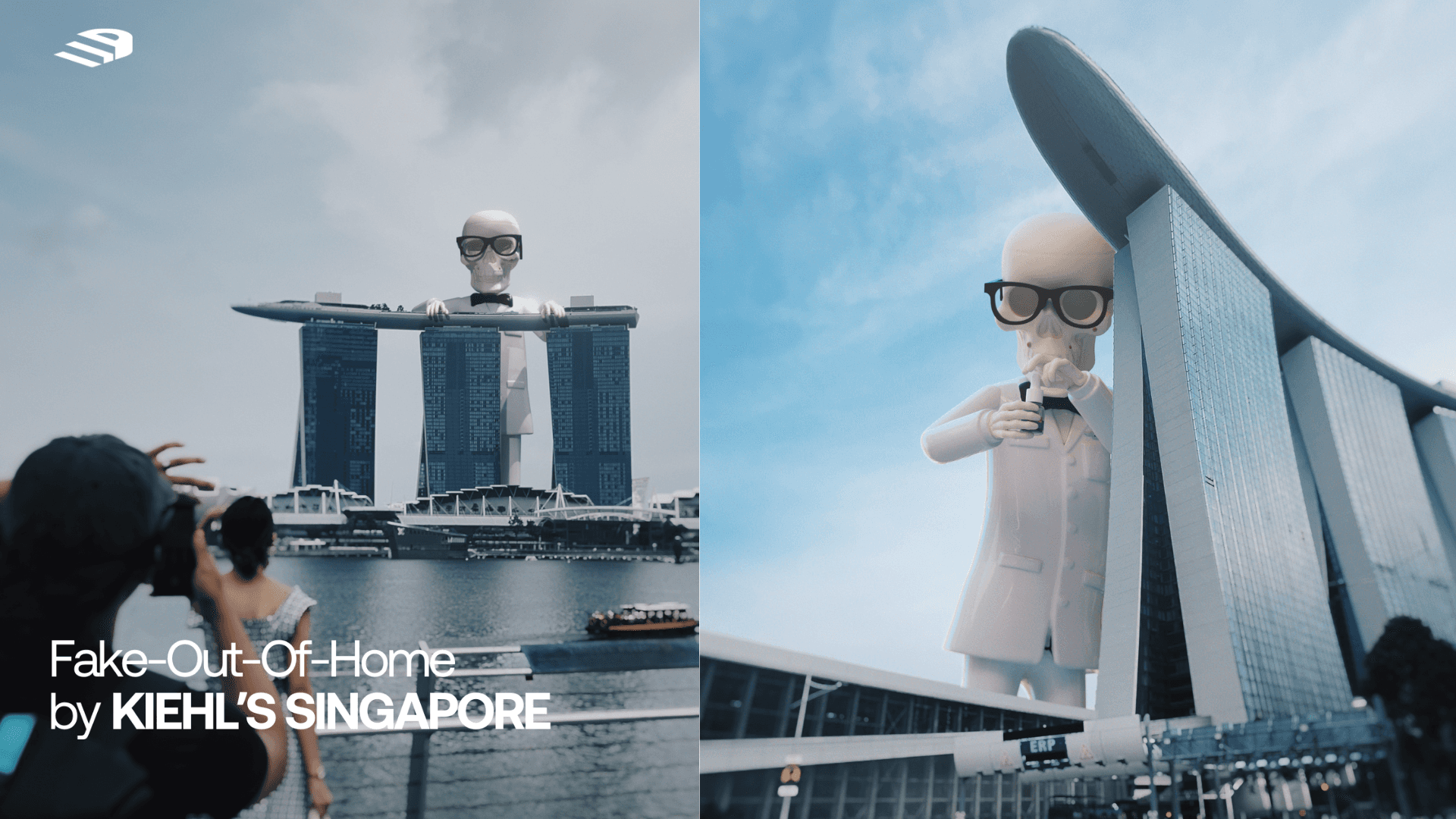
FOOH vs OOH: A Strategic Comparison for Modern Brand Objectives (2026 Guide)
FOOH vs OOH: A Strategic Comparison for Modern Brand Objectives (2026 Guide)
25 Min
25 Min
Written by
Written by
Brandon Tan
Brandon Tan
Posted on
Posted on
Jan 7, 2026
Jan 7, 2026
FOOH vs OOH: A Strategic Comparison for Modern Brand Objectives (2026 Guide)
By 3D Advertisers — Creative Technology Studio & OOH Strategy Partner
Table of Contents
Introduction — Why FOOH and OOH Should Not Be Viewed as Competitors
Quick Summary: FOOH & OOH at a Glance
Understanding the Marketing Objective First
Cost Considerations for Each Format
Speed-to-Market: Which One Fits Urgency?
Creative Freedom vs Real-World Constraints
Risk Profiles: Digital vs Physical Deployment
Audience Reach, Attention Type & Media Behavior
ROI Evaluation: The Right Tool for the Right Goal
When to Use FOOH
When to Use OOH
The Integrated Approach — Why Both Together Are More Powerful
How 3D Advertisers Helps Identify the Best OOH Slots in Malaysia + FOOH Strategy
Conclusion — Strategic Alignment, Not Format Competition
1. Introduction — Why FOOH and OOH Should Not Be Viewed as Competitors
In 2026, many brands ask a simple question:
“Which is better: OOH or FOOH?”
But this is the wrong question.
The real question is:
“What marketing objective are we trying to achieve?”
Because FOOH and OOH serve different strategic roles:
One shapes physical reality
The other shapes digital perception
Together, they shape brand dominance
This guide does not argue which is superior — instead, it helps brands understand when and why each format should be used, and how integrating them drives stronger results.
2. Quick Summary — FOOH & OOH at a Glance
Attribute | FOOH (Fake OOH) | OOH (Physical OOH) |
Deployment | Digital-only CGI stunt | Real physical billboard/screen |
Usage Objective | Viral awareness, global reach, social amplification | Physical presence, credibility, repetition |
Cost Structure | One-time production | Ongoing media rental |
Speed | Fast (7–21 days) | Moderate (30–90 days) |
Risk | Digital (low) | Physical (higher) |
Creative Constraints | None | Safety + structural limits |
Best For | Launches, spectacle, online reach | Footfall impact, local visibility |
Type of Attention | Emotional spike + replay | Consistent long-term exposure |
Not better, not worse — simply different tools for different outcomes.
3. Understanding the Marketing Objective First
Before choosing FOOH or OOH, brands must clarify:
What do you need right now?
If the goal is:
Fast awareness
Social engagement
Global visibility
High emotional impact
→ FOOH is ideal.
If the goal is:
Long-term brand presence
Local dominance
Foot traffic influence
Repetition-driven recall
→ OOH is essential.
If the goal is:
Maximum impact
Omnichannel presence
Brand fame
→ Combine FOOH + OOH.
There is no one-size-fits-all — only objective-fit.
4. Cost Considerations for Each Format
It is not about which is cheaper — it is about which delivers the correct output for the investment.
OOH Costs
Monthly rental
Permits
Structure
Power & maintenance
Fabrication (if static)
FOOH Costs
One-time CGI production
No permits
No installation
No maintenance
Key Insight:
OOH is a media cost, FOOH is a creative production cost. They belong to different budget categories.
5. Speed-to-Market Considerations
FOOH
Fastest option for reactive marketing, trending moments, launches.
OOH
Slower but powerful for prolonged visibility.
Again — not better or worse.
Speed aligns with campaign urgency, not format superiority.
6. Creative Freedom vs Real-World Constraints
OOH
Bound by:
Structure
Safety
Approval
Space
Physics
FOOH
Bound only by:
Imagination
Brand alignment
CGI realism
This is why spectacle belongs to FOOH,
but physical presence belongs to OOH.
7. Risk Profiles
OOH Risks
Weather
Installation safety
Technical failure
Permit rejection
Structural issues
FOOH Risks
Creative clarity
CGI believability
Narrative execution
Different risk categories → different planning needs.
8. Audience Reach & Media Behavior
OOH Reach
Local
Physical
Traffic-driven
Strong for top-of-funnel consistency
Reinforces brand legitimacy
FOOH Reach
Global
Algorithm-driven
High emotional engagement
Shareable and viral
Strong for explosive awareness
Key Point:
FOOH creates moments.
OOH creates memory.
Together, they create brand reality.
9. ROI Evaluation — What Kind of Return Do You Want?
OOH ROI:
Foot traffic influence
Local visibility
Repetition recap
Brand trust due to physical presence
FOOH ROI:
Earned media
Viral views
Organic shares
Cultural relevance
Integrated ROI:
Brands combining both achieve:
Physical credibility
Digital fame
Emotional impact
Repetition
Shareability
Omnichannel brand presence
This is how brands dominate perception in 2026.
10. When to Use FOOH
Use FOOH when the objective is:
✔ Capture attention in seconds
✔ Launch a new product
✔ Target Gen-Z & millennials
✔ Achieve global reach
✔ Create a social media moment
✔ Amplify brand personality
✔ Drive earned media coverage
11. When to Use OOH
Use OOH when the objective is:
✔ Increase city dominance
✔ Influence commuters & daily traffic
✔ Drive retail/store footfall
✔ Build brand authority
✔ Maintain consistent presence
✔ Support nationwide campaigns
✔ Reach demographics less active online
OOH makes your brand real, stable, and credible.
12. The Integrated Approach — Why Both Together Are More Powerful
The strongest brands in the world do this:
FOOH grabs global attention with a cinematic stunt.
OOH reinforces the message with physical dominance.
FOOH drives conversation online.
OOH drives trust offline.
Together, they create psychological consistency.
Consumers think:
“I saw this online… and now I see it in real life.”
This is called: Omni-Perceptual Brand Presence — the most powerful form of brand dominance in 2026.
13. How 3D Advertisers Helps Identify the Best OOH Slots in Malaysia — Plus FOOH Strategy Integration
This is where your company becomes a strategic partner, not just a CGI studio.
3D Advertisers helps brands:
✔ Identify OOH locations in Malaysia that match the marketing objective
✔ Predict foot traffic vs brand exposure
✔ Match the FOOH narrative to the ideal physical location
✔ Build integrated campaigns combining both formats
✔ Coordinate with media owners to secure the right slots
✔ Create high-impact FOOH content that complements physical presence
✔ Provide advisory on emotional vs physical attention metrics
Read more : Where 3D OOH Billboards Are in Malaysia (2026 Edition)
Example Integrated Strategy
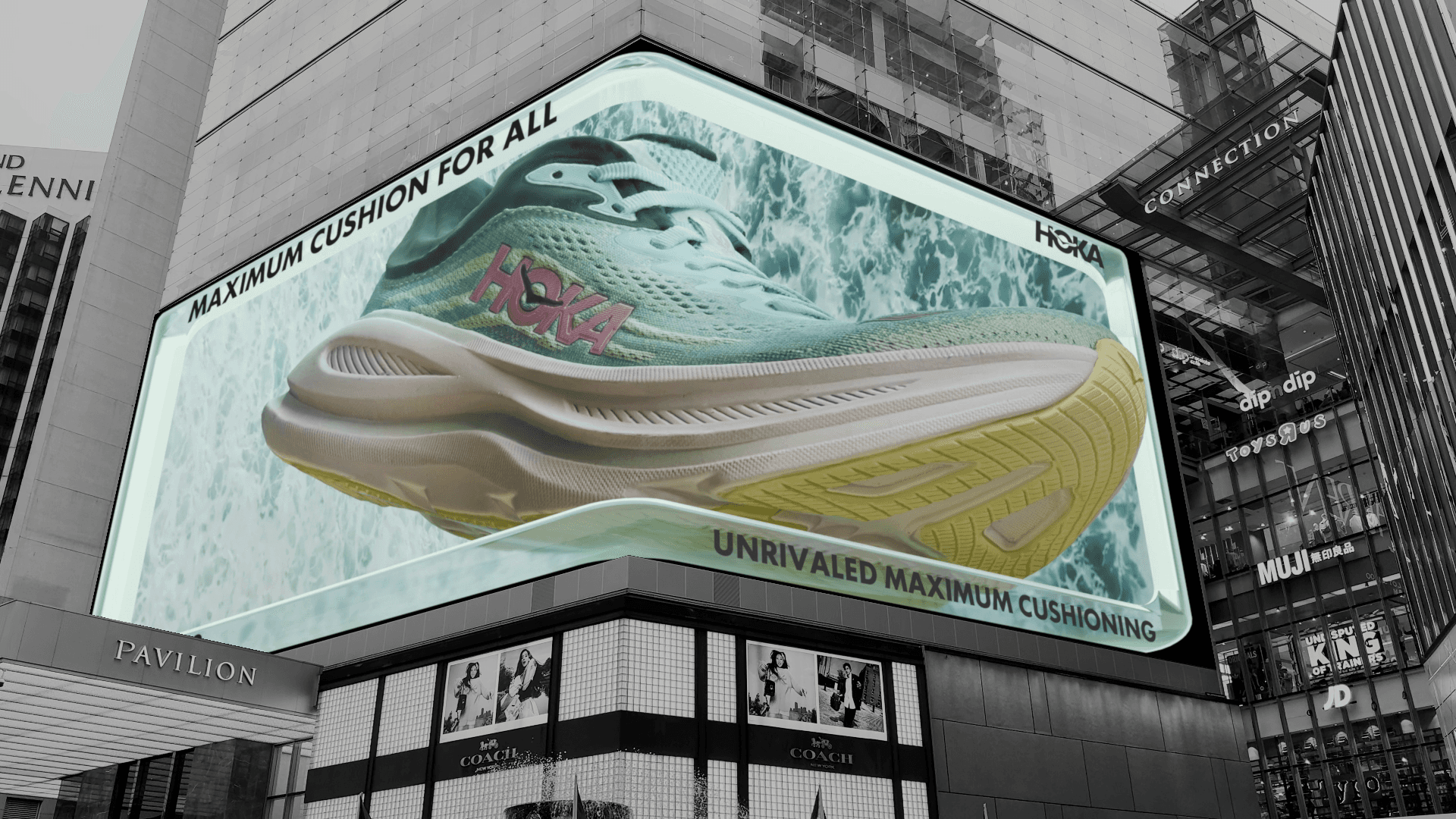
FOOH video of a sneaker breaking out of Pavilion KL
Real OOH screens at Bukit Bintang showing the product
TikTok ads amplifying the FOOH clip
Experiential pop-up at a mall
DOOH screens reinforcing the visual identity
This full ecosystem makes the brand unmissable.
14. Conclusion — Strategic Alignment, Not Format Competition
The question is not:
❌ “Which is better?”
but
✔ “What are we trying to achieve?”
FOOH delivers spectacle, virality, emotion.
OOH delivers credibility, presence, repetition.
Together, they deliver brand reality.
And with expertise in both FOOH creation and OOH strategic planning in Malaysia,
3D Advertisers helps brands choose the right tool — or combination — to achieve the highest impact for every marketing objective.
FOOH vs OOH: A Strategic Comparison for Modern Brand Objectives (2026 Guide)
By 3D Advertisers — Creative Technology Studio & OOH Strategy Partner
Table of Contents
Introduction — Why FOOH and OOH Should Not Be Viewed as Competitors
Quick Summary: FOOH & OOH at a Glance
Understanding the Marketing Objective First
Cost Considerations for Each Format
Speed-to-Market: Which One Fits Urgency?
Creative Freedom vs Real-World Constraints
Risk Profiles: Digital vs Physical Deployment
Audience Reach, Attention Type & Media Behavior
ROI Evaluation: The Right Tool for the Right Goal
When to Use FOOH
When to Use OOH
The Integrated Approach — Why Both Together Are More Powerful
How 3D Advertisers Helps Identify the Best OOH Slots in Malaysia + FOOH Strategy
Conclusion — Strategic Alignment, Not Format Competition
1. Introduction — Why FOOH and OOH Should Not Be Viewed as Competitors
In 2026, many brands ask a simple question:
“Which is better: OOH or FOOH?”
But this is the wrong question.
The real question is:
“What marketing objective are we trying to achieve?”
Because FOOH and OOH serve different strategic roles:
One shapes physical reality
The other shapes digital perception
Together, they shape brand dominance
This guide does not argue which is superior — instead, it helps brands understand when and why each format should be used, and how integrating them drives stronger results.
2. Quick Summary — FOOH & OOH at a Glance
Attribute | FOOH (Fake OOH) | OOH (Physical OOH) |
Deployment | Digital-only CGI stunt | Real physical billboard/screen |
Usage Objective | Viral awareness, global reach, social amplification | Physical presence, credibility, repetition |
Cost Structure | One-time production | Ongoing media rental |
Speed | Fast (7–21 days) | Moderate (30–90 days) |
Risk | Digital (low) | Physical (higher) |
Creative Constraints | None | Safety + structural limits |
Best For | Launches, spectacle, online reach | Footfall impact, local visibility |
Type of Attention | Emotional spike + replay | Consistent long-term exposure |
Not better, not worse — simply different tools for different outcomes.
3. Understanding the Marketing Objective First
Before choosing FOOH or OOH, brands must clarify:
What do you need right now?
If the goal is:
Fast awareness
Social engagement
Global visibility
High emotional impact
→ FOOH is ideal.
If the goal is:
Long-term brand presence
Local dominance
Foot traffic influence
Repetition-driven recall
→ OOH is essential.
If the goal is:
Maximum impact
Omnichannel presence
Brand fame
→ Combine FOOH + OOH.
There is no one-size-fits-all — only objective-fit.
4. Cost Considerations for Each Format
It is not about which is cheaper — it is about which delivers the correct output for the investment.
OOH Costs
Monthly rental
Permits
Structure
Power & maintenance
Fabrication (if static)
FOOH Costs
One-time CGI production
No permits
No installation
No maintenance
Key Insight:
OOH is a media cost, FOOH is a creative production cost. They belong to different budget categories.
5. Speed-to-Market Considerations
FOOH
Fastest option for reactive marketing, trending moments, launches.
OOH
Slower but powerful for prolonged visibility.
Again — not better or worse.
Speed aligns with campaign urgency, not format superiority.
6. Creative Freedom vs Real-World Constraints
OOH
Bound by:
Structure
Safety
Approval
Space
Physics
FOOH
Bound only by:
Imagination
Brand alignment
CGI realism
This is why spectacle belongs to FOOH,
but physical presence belongs to OOH.
7. Risk Profiles
OOH Risks
Weather
Installation safety
Technical failure
Permit rejection
Structural issues
FOOH Risks
Creative clarity
CGI believability
Narrative execution
Different risk categories → different planning needs.
8. Audience Reach & Media Behavior
OOH Reach
Local
Physical
Traffic-driven
Strong for top-of-funnel consistency
Reinforces brand legitimacy
FOOH Reach
Global
Algorithm-driven
High emotional engagement
Shareable and viral
Strong for explosive awareness
Key Point:
FOOH creates moments.
OOH creates memory.
Together, they create brand reality.
9. ROI Evaluation — What Kind of Return Do You Want?
OOH ROI:
Foot traffic influence
Local visibility
Repetition recap
Brand trust due to physical presence
FOOH ROI:
Earned media
Viral views
Organic shares
Cultural relevance
Integrated ROI:
Brands combining both achieve:
Physical credibility
Digital fame
Emotional impact
Repetition
Shareability
Omnichannel brand presence
This is how brands dominate perception in 2026.
10. When to Use FOOH
Use FOOH when the objective is:
✔ Capture attention in seconds
✔ Launch a new product
✔ Target Gen-Z & millennials
✔ Achieve global reach
✔ Create a social media moment
✔ Amplify brand personality
✔ Drive earned media coverage
11. When to Use OOH
Use OOH when the objective is:
✔ Increase city dominance
✔ Influence commuters & daily traffic
✔ Drive retail/store footfall
✔ Build brand authority
✔ Maintain consistent presence
✔ Support nationwide campaigns
✔ Reach demographics less active online
OOH makes your brand real, stable, and credible.
12. The Integrated Approach — Why Both Together Are More Powerful
The strongest brands in the world do this:
FOOH grabs global attention with a cinematic stunt.
OOH reinforces the message with physical dominance.
FOOH drives conversation online.
OOH drives trust offline.
Together, they create psychological consistency.
Consumers think:
“I saw this online… and now I see it in real life.”
This is called: Omni-Perceptual Brand Presence — the most powerful form of brand dominance in 2026.
13. How 3D Advertisers Helps Identify the Best OOH Slots in Malaysia — Plus FOOH Strategy Integration
This is where your company becomes a strategic partner, not just a CGI studio.
3D Advertisers helps brands:
✔ Identify OOH locations in Malaysia that match the marketing objective
✔ Predict foot traffic vs brand exposure
✔ Match the FOOH narrative to the ideal physical location
✔ Build integrated campaigns combining both formats
✔ Coordinate with media owners to secure the right slots
✔ Create high-impact FOOH content that complements physical presence
✔ Provide advisory on emotional vs physical attention metrics
Read more : Where 3D OOH Billboards Are in Malaysia (2026 Edition)
Example Integrated Strategy
FOOH video of a sneaker breaking out of Pavilion KL
Real OOH screens at Bukit Bintang showing the product
TikTok ads amplifying the FOOH clip
Experiential pop-up at a mall
DOOH screens reinforcing the visual identity
This full ecosystem makes the brand unmissable.
14. Conclusion — Strategic Alignment, Not Format Competition
The question is not:
❌ “Which is better?”
but
✔ “What are we trying to achieve?”
FOOH delivers spectacle, virality, emotion.
OOH delivers credibility, presence, repetition.
Together, they deliver brand reality.
And with expertise in both FOOH creation and OOH strategic planning in Malaysia,
3D Advertisers helps brands choose the right tool — or combination — to achieve the highest impact for every marketing objective.